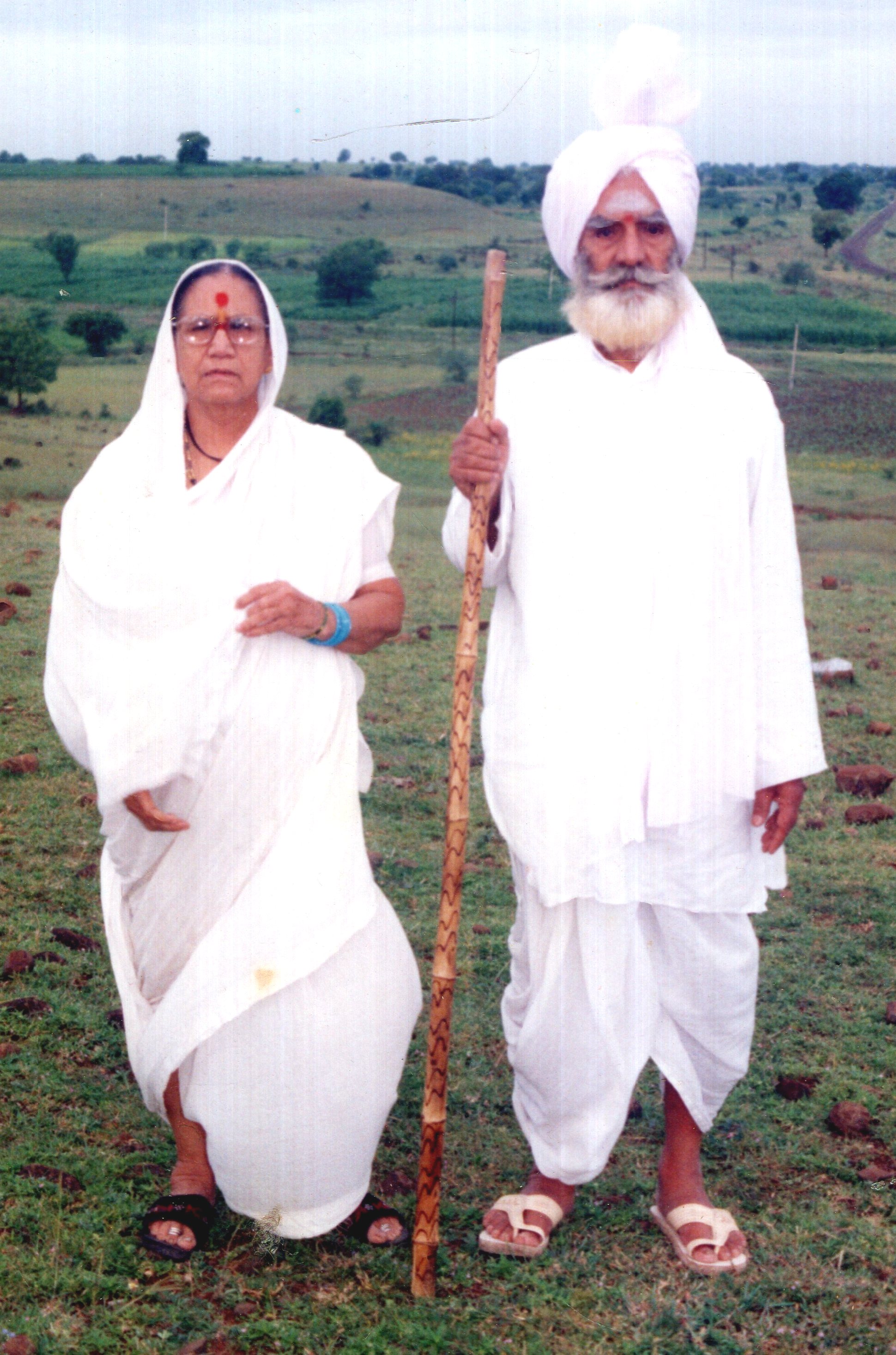
Hailing from the culturally rich Marathwada region of Maharashtra,
Ranganath Krishna Selukar Dixit was initiated into the highest order of
Vedic learning — earning the title of Deekshita, granted only
to those who undertake the rigorous spiritual and ritual preparation required to
perform the Shrauta (multi-fire) sacrificial rites.
At a moment in India's history when the Vedic shrauta tradition faced near
extinction, he chose the demanding path of revival. Drawing on the vision of
Dayananda Saraswati — that the Vedas are the wellspring of
pure and original knowledge — he systematically reintroduced the ancient
sacrificial system into public and community life, consciously setting aside
the elements at odds with contemporary dharmic understanding while preserving
the sacred fire ceremonies in their full grandeur.
His was not merely a religious mission but also a profoundly patriotic
one. He was an active participant in the movement to liberate Marathwada from the
Nizam's state of Hyderabad in the late 1940s — a period when spiritual conviction
and the call of the motherland were one and the same.
Through his annual multi-week Vedic festivals, he built bridges across social
strata — attracting learned scholars and rural communities alike — demonstrating
that the Veda's wisdom belongs to all of India, not to any single class or region.